
Where Can You Find the Most Rewarding Happy Hour Specials Near You in Honolulu?
Understanding What Makes Happy Hour Specials Worth Your Time and Money
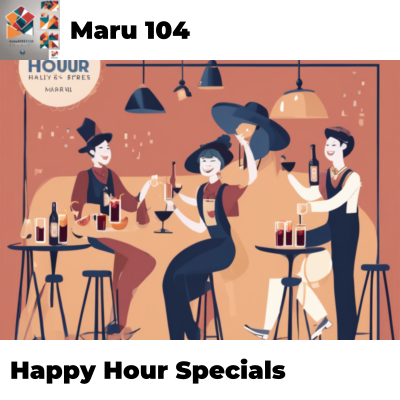
Happy hour specials represent far more than just discounted drinks and appetizers. They embody a specific moment in the day when establishments transform their pricing structures to make socializing more accessible and economically sensible. The concept emerged decades ago as a marketing strategy, yet it has evolved into something profoundly cultural—a cherished ritual that marks the transition between work obligations and personal time. When executed thoughtfully, happy hour specials can provide exceptional value while simultaneously creating opportunities for genuine connection and relaxation.
The mechanics behind happy hour pricing involve strategic business calculations. Venues analyze their traffic patterns, understand consumer behavior during specific hours, and adjust their margins accordingly. Rather than viewing these discounts as losses, successful establishments recognize them as investments in customer loyalty and brand reputation. At Maru 104, this philosophy shapes every aspect of their happy hour offerings, creating an environment where patrons feel genuinely valued rather than simply tolerated during off-peak hours.
What distinguishes exceptional happy hour experiences from mediocre ones often comes down to subtle factors that compound into meaningful differences. The quality of the drinks matters. The speed of service during busy periods matters immensely. The genuine warmth extended by bartenders and servers creates an atmosphere that keeps people returning. Most importantly, the actual value proposition—what one receives compared to what one pays—determines whether an outing becomes a memorable experience or merely a transaction.
Exploring the Diverse Beverage Selections Available During Peak Hours
Maru 104's approach to happy hour beverages demonstrates sophisticated understanding of diverse palates and preferences. Rather than implementing a one-size-fits-all discount structure, the establishment recognizes that different patrons seek different experiences. Some visitors prioritize classic cocktails with historical significance. Others gravitate toward contemporary creations that showcase mixology innovation. Still others simply want straightforward beer and wine selections at reasonable prices.
The beverage menu during happy hour hours showcases several categories:
- Craft cocktails featuring house-made syrups and premium spirits with thirty to forty percent reductions from regular pricing
- Classic martinis and margaritas prepared with precision and offered at substantially discounted rates
- Domestic and imported beers available at per-bottle pricing that encourages experimentation across different styles
- Wine selections spanning white, red, and rosé options from regions throughout the world
- Specialty non-alcoholic drinks ensuring all guests experience exceptional value regardless of alcohol preferences
The craft cocktail selections deserve particular attention because they reveal intentional curation. Rather than offering generic Long Island Iced Teas and Cosmopolitans, Maru 104 features rotating seasonal specials that challenge and educate the palate. These drinks incorporate unexpected ingredients—think yuzu-infused vodka or tamarind-adjusted rum—that transform happy hour into a tasting experience rather than simply an economical drinking session.
The Significance of House-Made Components
What elevates many of Maru 104's cocktails involves the commitment to house-made components. Bars that produce their own syrups, bitters, and infusions demonstrate dedication to craft that customers recognize immediately upon tasting. These elements require planning, skill, and genuine passion for the work. When someone sips a cocktail featuring house-made passion fruit syrup or custom herb-infused alcohol, they're tasting the result of intentional effort rather than convenience-driven standardization.
The brewing and fermentation processes behind these components often span days or weeks. Bartenders at Maru 104 understand that patience produces superior results. Fresh citrus receives careful juicing to order rather than relying on bottled alternatives. Spice-forward drinks utilize whole spices ground shortly before preparation. These seemingly minor details accumulate into beverage quality that distinguishes memorable experiences from forgettable ones.
Beer Selection Strategy and Rotating Taps
The beer program during happy hour hours reflects sophisticated curation rather than haphazard selection. Maru 104 maintains relationships with local Hawaiian breweries while also featuring respected mainland producers and international selections. This approach accomplishes several objectives simultaneously: it supports local economy, provides Hawaiian visitors with authentic regional flavors, and satisfies customers seeking familiar favorites from their home states or countries.
Rotating tap selections ensure that regular patrons never exhaust the novelty of the beer program. Someone might discover a particular IPA during their first visit, only to encounter a completely different pale ale the following week. This strategy transforms repeat visits into exploratory missions rather than rote rituals. Over the course of several months, attentive customers sample dozens of distinct beers without ever requesting the same one twice.
Culinary Offerings That Complement Beverage Selections
Happy hour food selections often receive insufficient attention despite their crucial role in the overall experience. Well-designed appetizers don't merely fill stomachs; they enhance beverage enjoyment through careful flavor pairing and textural contrast. Maru 104's kitchen team understands that food during happy hour hours requires different thinking than full dinner service.
The appetizer menu typically includes selections across these categories:
- Crispy fried items such as tempura-battered vegetables, fish cakes, or popcorn shrimp that provide satisfying crunch
- Chilled preparations including seafood cocktails, bruschetta variations, or caprese skewers that offer refreshing contrast
- Cheese and charcuterie boards assembled with thoughtful ingredient selection and artistic presentation
- Grilled offerings featuring marinated vegetables, chicken skewers, or small meat portions cooked to order
- Dipping experiences with house-made sauces paired to specific appetizer selections
The Economics of Appetizer Pricing During Special Hours
Understanding appetizer pricing requires grappling with food cost percentages and margin requirements. Establishments must cover ingredient expenses, preparation labor, plate presentation, and overhead while maintaining reasonable prices. Maru 104 accomplishes this through strategic selection of items that feature ingredients with favorable cost structures without sacrificing quality or presentation standards.
Certain appetizers—particularly those featuring seasonal produce or local protein sources—naturally align with lower cost structures during specific times of year. Positioning these items prominently during their peak availability seasons demonstrates both business acumen and respect for ingredient quality. The kitchen capitalizes on moments of natural affordability to offer spectacular values without compromising standard quality benchmarks.
Dietary Considerations and Inclusive Menu Design
Modern food service requires acknowledging diverse dietary needs and restrictions. Maru 104's happy hour menu accommodates vegetarian preferences, gluten-free requirements, and other common restrictions without treating them as afterthoughts. This inclusive approach expands the potential customer base while also demonstrating genuine respect for all patrons.
The inclusion of vegetable-forward appetizers alongside protein-heavy options ensures that mixed groups of diners with varying dietary philosophies can all find satisfaction. Someone avoiding animal products can select substantive options rather than settling for mere side dishes. Simultaneously, dedicated carnivores find abundant offerings that celebrate meat and seafood in their full glory.
Timing Strategies: Maximizing Value and Experience Quality
Most establishments implement happy hour specials during specific windows rather than throughout the entire operational day. Maru 104's timing reflects careful analysis of customer flow patterns and business objectives. Understanding when specials are available, and more importantly, why they're scheduled during particular hours, helps patrons maximize their value proposition.
Typical happy hour windows span from late afternoon into early evening, often running from roughly four or five o'clock through seven or eight o'clock. This positioning serves multiple purposes. It captures workers transitioning from offices to leisure time. It builds momentum toward dinner and evening service. It fills a potentially slow period that would otherwise suffer from minimal traffic. For patrons, this timing enables them to transition from professional obligations to social relaxation while enjoying economical pricing.
Understanding Peak Versus Off-Peak Dynamics
The distinction between when happy hour runs and when it doesn't reveals important operational realities. Venues rarely extend deep discounts during genuinely busy periods because demand naturally supports full pricing. Instead, specials cluster during hours when customer volume would otherwise decline significantly. This economic reality benefits patrons enormously because they gain maximum leverage when asking for discounts during these slower stretches.
Certain days of the week naturally attract heavier traffic than others. Thursday through Saturday evenings command full pricing at most establishments because demand ensures profitability without promotional incentives. Conversely, Monday through Wednesday often feature more generous discounts and longer special windows because venues actively work to cultivate traffic during traditionally slower periods. Knowledgeable patrons coordinate their visits to these less crowded evenings, discovering that they receive superior service alongside favorable pricing.
Seasonal Variations and Holiday Considerations
Happy hour specials don't operate in a vacuum isolated from broader seasonal and holiday patterns. Maru 104 adjusts its special offerings based on predictable fluctuations throughout the calendar year. Summer months featuring school vacations and holidays tend toward larger crowds and less aggressive discounting. Winter lulls between
major holidays often feature extended happy hour windows and deeper discounts as venues work harder to fill seats. Holiday weeks surrounding Christmas, New Year's, and summer breaks follow their own patterns distinct from regular seasonal trends.
Understanding these patterns enables strategic planning. Someone seeking maximum value might deliberately schedule outings during traditionally slower periods or seasons. Conversely, those prioritizing social atmosphere might accept paying full prices during peak periods when energy and excitement naturally run highest. Maru 104's flexible approach accommodates both preferences, adjusting offerings seasonally while maintaining consistent quality standards.
The Atmosphere and Social Experience That Extends Beyond Pricing
Happy hour specials, fundamentally, represent opportunities for social connection rather than merely economical consumption. The pricing structure simply removes financial barriers that might otherwise prevent people from gathering. The actual experience—the conversations, the laughter, the connections formed or strengthened—constitutes the genuine value proposition.
Maru 104's physical environment supports this social mission through thoughtful design choices. Adequate seating around high-top tables encourages standing conversations and mingling. Bar positioning allows patrons to watch mixologists work while conversing with nearby guests. Lighting strikes deliberate balance between bright enough for comfortable interaction yet dim enough to create intimate ambiance. Background music plays at volumes that permit conversation without forcing people to shout.
The Role of Bartender Expertise and Personality
Bartenders at establishments offering quality happy hour specials function as far more than mere drink-makers. They serve as hosts, conversationalists, advisors, and sometimes therapists for guests seeking to decompress after demanding workdays. The best bartenders remember regular customers' preferences, ask thoughtful questions about their lives, and create welcoming environments where people feel genuinely seen and valued.
At Maru 104, bartender training emphasizes this interpersonal dimension alongside technical cocktail skills. Mixing a perfect drink matters, but so does the warmth extended while delivering it. A bartender who remembers that a regular customer recently started a new job and asks how the transition is progressing creates moments of authentic human connection. These interactions transform happy hour from a transaction into a ritual people genuinely anticipate.
This expertise proves particularly valuable when customers feel uncertain about ordering. Rather than defaulting to familiar drinks, patrons can trust bartender recommendations to guide them toward selections matching their actual preferences. Someone claiming they "don't really like cocktails" might discover that they simply hadn't encountered cocktails crafted with proper technique and quality ingredients. Experienced bartenders diagnose these preferences through brief conversation and confidently suggest options likely to create genuine satisfaction.
Managing Crowd Energy and Group Dynamics
Happy hour environments naturally attract diverse groups with varying social priorities. Some patrons seek quiet conversation with close friends. Others hope to mingle broadly and meet new people. Still others primarily want to decompress alone while observing the broader scene. Successful venues like Maru 104 accommodate these varying needs through spatial design and staff awareness.
Different areas of the establishment often serve different social functions. A quieter corner section suits intimate friend groups seeking serious conversation. The main bar area naturally gravitates toward more open, social energy where mingling happens organically. High-top table clusters facilitate both small group cohesion and broader mingling possibilities. Astute staff members recognize these dynamics and seat arriving parties strategically based on apparent group size and energy level.
Loyalty Programs and Long-Term Value Accumulation
Beyond individual happy hour visits, many establishments implement loyalty programs that compound value over time. Maru 104's approach to loyalty rewards recognizes that repeat customers deserve acknowledgment and incentive for their continued patronage. These programs work best when they feel genuinely rewarding rather than manipulative or overly complicated.
Effective loyalty structures typically include these elements:
- Point accumulation systems where each dollar spent generates points redeemable for future discounts or free items
- Tiered membership levels offering progressively better benefits as customers increase their spending
- Birthday specials providing meaningful discounts or complimentary items during members' birth months
- Early access notifications alerting loyal customers about upcoming special events or limited-time offerings before general announcement
- Exclusive happy hour pricing for members that exceeds the discounts available to casual visitors
Understanding Point Redemption Mathematics
Loyalty points only create genuine value when redemption rates prove reasonable and achievable. A program offering one point per dollar spent but requiring five hundred points for a ten-dollar reward essentially provides a two percent rebate—mathematically honest but psychologically unsatisfying. Conversely, programs offering redemption rates that feel genuinely generous encourage active participation and deeper engagement.
The optimal approach balances business sustainability with customer satisfaction. Maru 104's loyalty structure likely positions itself somewhere between these extremes—offering meaningful rewards that motivate participation while maintaining healthy business economics. Regular customers who visit even twice monthly discover that accumulated points translate into genuinely valuable rewards within reasonable timeframes.
Birthday Recognition and Personal Celebration Support
Birthday specials deserve particular attention because they transform ordinary commercial transactions into personal recognition moments. When an establishment remembers a customer's birthday and provides meaningful acknowledgment, the interaction transcends typical business relationships. People remember these gestures with genuine warmth and often share them with friends, generating organic word-of-mouth marketing more valuable than paid advertising.
Maru 104's approach to birthday recognition likely includes options such as complimentary appetizer selections, drinks with celebratory presentation, or percentage discounts on the birthday person's entire visit. These gestures signal that the establishment values the customer as an individual rather than merely as a revenue source. Birthday visits become occasions people anticipate and treasure rather than treat as routine.
Evaluating Quality Indicators and Avoiding Mediocre Experiences
Not all happy hour specials represent genuinely worthwhile value propositions. Some establishments use aggressive discounting to mask fundamental quality deficiencies. Others skimp on ingredients and preparation standards during special hours, reasoning that customers paying lower prices shouldn't expect identical quality to full-price offerings. Distinguishing between establishments offering legitimate value and those pursuing quantity-over-quality strategies requires understanding specific quality indicators.
Ingredient Freshness and Preparation Standards
Observable indicators reveal how seriously an establishment takes its happy hour program. Bartenders who squeeze fresh citrus to order rather than pouring from plastic containers demonstrate commitment to quality. Cocktails prepared with attention to temperature control and proper technique taste measurably superior to rushed versions made without care. Appetizers arriving promptly yet cooked to order rather than sitting under heat lamps indicate kitchen standards that don't fluctuate based on pricing levels.
These details matter because they directly impact the actual experience. A cocktail featuring fresh lime juice versus bottled alternative tastes noticeably different—brighter, more complex, more alive. The difference in cost between these approaches proves minimal, yet the quality differential registers immediately on the palate. When an establishment implements these standards consistently regardless of whether they're serving full-price or discounted offerings, they demonstrate integrity and respect for their customers.
Staff Attentiveness and Service Recovery
Service quality during busy happy hour periods provides revealing insight into an establishment's operational standards and staff training. Venues that maintain attentive, friendly service even when crowded demonstrate systems and culture that prioritize customer experience. Conversely, places where service becomes dismissive or sluggish during peak periods reveal that quality deteriorates when volume increases.
Staff members at well-run establishments proactively address potential problems before customers must explicitly request solutions. A bartender noticing that someone's drink is nearly empty will offer a refill before being asked. A server observing that a table lacks clean napkins will provide them without requiring request. These anticipatory service behaviors signal that staff genuinely care about customer satisfaction rather than merely performing minimum required duties.
Equally important is how establishments respond when inevitable mistakes occur. Every venue occasionally sends out a wrong order or mixes a drink incorrectly. The distinction emerges in how they handle recovery. Do they quickly acknowledge the error, apologize sincerely, and immediately rectify it without requiring customer complaint? Or do they become defensive, blame customers, or provide half-hearted solutions? The recovery response often creates stronger impressions than the original mistake.
Price-to-Portion Alignment and Transparency
Exceptional happy hour specials align pricing precisely with portion sizes and quality levels. An appetizer discounted forty percent should feature quality and quantity that still justifies the reduced price. Drinks containing premium spirits shouldn't suddenly become watered-down merely because they're offered at discounted rates. This alignment between price, portion, and quality quality creates genuine value rather than mere illusion of saving money.
Transparency about what's included in special pricing also matters significantly. Clear communication about whether appetizer prices include standard servings of sides, whether drinks are full-sized or smaller versions, and whether any items are excluded from promotions prevents customer disappointment and resentment. Maru 104's approach to happy hour specials likely features transparent communication about exactly what patrons receive for their money.
The mathematics of value calculation prove straightforward: divide the price by the quantity and quality received to determine whether the transaction represents fair exchange. A seven-dollar cocktail containing two ounces of premium spirit, fresh juice, and house-