
How Can Maru 104 Transform Your Private Events and Catering Experience in Honolulu?
Understanding What Sets Premium Catering Apart From Basic Food Service
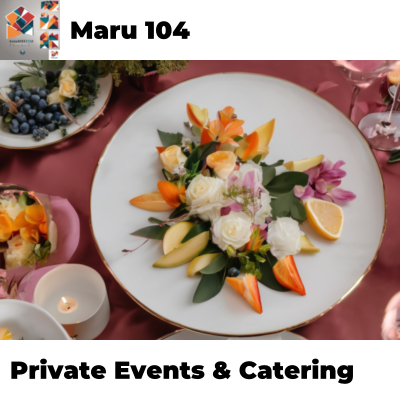
When people think about hosting private events, their minds typically jump to logistics—venue, decorations, guest lists. Yet the culinary experience often determines whether an occasion becomes genuinely memorable or merely forgettable. This distinction matters profoundly. Maru 104 recognizes that exceptional catering transcends merely delivering food to hungry guests; it encompasses creating moments that linger in memory long after the event concludes.
Premium catering services operate on fundamentally different principles than standard food delivery operations. The difference isn't simply about ingredient quality, though that certainly factors into the equation. Instead, premium services integrate sophisticated understanding of event dynamics, guest preferences, timing precision, and the subtle psychological elements that transform a gathering into an experience worth celebrating.
Consider the timeline of a sophisticated catering operation. Months before your event, professional caterers must:
- Conduct thorough consultations to understand your vision and requirements
- Design custom menus that reflect both your preferences and seasonal ingredient availability
- Arrange for specialized equipment and staffing needs
- Coordinate with venue managers regarding kitchen facilities and space utilization
- Develop contingency plans for unexpected circumstances
Each step requires expertise that separates seasoned professionals from amateur food service providers. The team at Maru 104 understands these nuances intimately, having navigated countless event scenarios across Honolulu's diverse venues and circumstances.
Tailoring Menus to Match Your Specific Vision and Dietary Requirements
The foundation of exceptional catering lies in customization. Generic menu offerings might satisfy basic hunger, but they rarely capture the essence of what makes your event distinctly yours. Maru 104 approaches menu planning as collaborative artistry rather than transactional service delivery.
Sophisticated dietary considerations require genuine knowledge and flexibility. Modern events inevitably include guests with varying dietary needs—vegetarian and vegan preferences, gluten sensitivities, allergies to shellfish or nuts, religious dietary observances, and cultural food traditions. Managing these considerations simultaneously demands expertise and genuine care.
The customization process typically involves:
- Initial consultations exploring your event theme, guest demographics, and culinary preferences
- Menu development featuring seasonal ingredients sourced from trusted local suppliers
- Dietary accommodation planning ensuring every guest enjoys authentic, satisfying cuisine
- Presentation styling that elevates visual appeal without compromising flavor integrity
- Tasting sessions allowing you to evaluate proposed dishes before finalizing selections
This meticulous approach prevents the common catering pitfall where some guests feel like afterthoughts. When a vegetarian option feels like an obligatory addition rather than a thoughtfully prepared dish, those guests detect the difference immediately. Conversely, when every menu item receives equal attention and creative consideration, your entire gathering feels genuinely inclusive.
Creating Signature Experiences Through Curated Beverage Pairings
Beyond food offerings, beverage selection dramatically influences event atmosphere. Professional caterers recognize that drinks serve purposes beyond hydration—they facilitate conversation, mark ceremonial moments, and contribute substantially to ambiance.
Maru 104 approaches beverage service with the same sophistication applied to culinary selections. Whether your event calls for craft cocktails crafted specifically for your occasion, carefully selected wine pairings, non-alcoholic specialty drinks, or a combination thereof, the beverage program should feel intentional and cohesive.
Effective beverage strategy involves:
- Understanding your guest demographics and preferences
- Creating signature drinks that reflect your event's personality
- Ensuring adequate staffing for bar service throughout the event
- Managing inventory to prevent shortages or excessive waste
- Incorporating locally-sourced ingredients when possible
Honolulu's location provides remarkable opportunities for beverage innovation. Local spirits, tropical juices, and fresh herbs create foundation for genuinely unique drink experiences that mainland caterers simply cannot replicate as authentically.
Managing Guest Flow and Ensuring Seamless Service Throughout Your Event
Perhaps the most underestimated aspect of successful catering involves operational logistics. Spectacular food loses its impact when guests wait excessively for seating, encounter cold dishes, or experience service interruptions that disrupt conversation and connection.
Professional event catering demands sophisticated choreography. Staff members must anticipate needs before guests articulate them. Platters require precise timing—appearing when appetite peaks but before frustration builds. Water glasses need constant attention. Cleared plates must vanish swiftly without disrupting conversation. Transitions between courses should feel effortless and natural.
This orchestration requires:
- Experienced staff trained in anticipatory service
- Clear communication systems between kitchen and dining areas
- Precise timing protocols that account for different preparation requirements
- Contingency plans for unexpected delays or changes
- Professional demeanor that enhances rather than distracts from your event
Navigating Different Event Formats and Venue Configurations
Not all private events follow identical formats. Cocktail receptions demand different service approaches than seated dinners. Buffet-style gatherings require entirely different spatial planning than plated meals. Outdoor events introduce weather considerations and equipment constraints that indoor venues don't present.
Experienced catering professionals adapt their service models to match specific event requirements. This flexibility distinguishes exceptional operators from rigid service providers who apply identical approaches regardless of context.
Common event configurations include:
- Seated formal dinners requiring plated service with synchronized timing
- Cocktail receptions featuring passed appetizers and standing service
- Buffet-style gatherings necessitating strategic food placement and replenishment timing
- Family-style service where shared platters create communal dining experiences
- Outdoor events requiring specialized equipment and weather contingency planning
- Hybrid formats combining multiple service styles within single occasions
Maru 104's experience across diverse Honolulu venues enables the team to adapt seamlessly to whatever configuration your event demands.
Addressing Common Misconceptions About Professional Catering Services
Many people harbor unnecessary concerns about working with professional caterers, often rooted in misunderstandings about cost, flexibility, or service quality. Clarifying these misconceptions reveals how professional catering actually represents excellent value.
The False Choice Between Customization and Affordability
Some clients believe that premium customization necessarily means prohibitive expenses. This misunderstanding overlooks how professional operations achieve efficiency through volume purchasing, established supplier relationships, and streamlined processes. Customization doesn't automatically demand luxury pricing—it requires expertise in balancing creativity with fiscal responsibility.
Effective catering professionals work within specified budgets by making strategic ingredient choices, optimizing portion sizes, and leveraging operational efficiencies that individual home cooks cannot access. Professional kitchen equipment, trained staff, and established vendor relationships enable cost-effective delivery of exceptional experiences.
Misconceptions About Limited Flexibility
Another common misunderstanding suggests that hiring professional caterers restricts creative freedom. Actually, the opposite holds true. Professional caterers bring extensive knowledge about what's feasible, what ingredients are currently available, and how different elements can combine successfully. This expertise expands possibilities rather than limiting them.
Conversely, attempting DIY catering often results in limited options precisely because home cooks must work within their personal experience and kitchen constraints. Professional caterers have already solved countless logistical problems and can help you achieve visions that might otherwise feel impossibly complicated.
Quality Control and Consistency Concerns
Some potential clients worry that professional catering introduces inconsistency compared to personally preparing food. This concern inverts reality. Professional kitchens implement standardized procedures, recipe documentation, and quality control measures that actually exceed what individual home cooks typically employ. When your aunt prepares a beloved family recipe, it might taste slightly different each time. Professional caterers ensure consistent excellence through systematic processes.
The distinction becomes especially apparent when events involve large guest counts. Preparing reliably excellent food for fifty people demands operational systems that home kitchens simply cannot accommodate. Professional catering transforms this challenge into strength through established protocols and trained staff.
The Practical Advantages of Outsourcing Event Catering
Choosing professional catering offers advantages extending well beyond food quality. The decision fundamentally changes how you experience your own event.
Reclaiming Your Time as Event Host
When you host an event while simultaneously managing food preparation and service, you fragment your attention. You're perpetually concerned about dishes, worrying whether enough food remains, checking temperatures, and troubleshooting inevitable minor crises. This divided attention prevents you from actually experiencing your gathering.
Outsourcing catering restores what matters most—your presence with guests. You can focus on meaningful conversations, celebrate important moments, and create memories rather than managing logistics. This shift in focus transforms event hosting from stressful obligation into genuine pleasure.
Accessing Specialized Expertise and Equipment
Professional catering operations invest in equipment, training, and knowledge that individual hosts cannot practically acquire. Consider commercial-grade warming equipment, food service certifications, liability insurance, and years of accumulated experience managing unexpected situations. These elements combine to create reliability that homemade events struggle to match.
When complications arise—a dish requires last-minute adjustments, a guest announces unexpected dietary restrictions, or weather forces format changes—professional caterers have encountered and successfully resolved similar situations repeatedly. This experience-based problem-solving ability cannot be replicated by even the most capable home cook.
Eliminating Post-Event Cleanup Responsibilities
After hosting an event, the inevitable cleanup can feel overwhelming. Mountains of dishes, food-stained surfaces, and exhausted energy levels make post-event tidying genuinely burdensome. Professional catering includes cleanup as integral service component, meaning your home returns to normal without requiring your personal effort when you're already fatigued.
This seemingly minor advantage actually carries significant psychological weight. Knowing that cleanup happens automatically eliminates anxiety about your home's post-event condition, allowing you to focus entirely on enjoyment during the gathering itself.
Exploring How Seasonal Ingredients Enhance Culinary Excellence
Honolulu's tropical climate provides year-round access to remarkable produce that continental regions cannot match. Truly excellent caterers leverage seasonal availability to create menus featuring ingredients at peak flavor and nutritional value. Understanding seasonal rhythms separates mediocre operations from genuinely sophisticated food service.
Winter Season Opportunities and Ingredient Availability
Hawaii's winter months, roughly November through March, bring cooler temperatures and distinct ingredient availability. Local papaya production peaks during these months, alongside citrus fruits including passion fruit and local oranges. Fresh fish varieties shift with ocean conditions, often featuring excellent ahi and mahi-mahi during winter months.
Winter menus might highlight:
- Chilled papaya-based appetizers showcasing the fruit's natural sweetness
- Seafood preparations featuring locally-caught fish with citrus components
- Root vegetables arriving from neighbor islands
- Warming preparations that acknowledge slightly cooler temperatures
- Desserts incorporating local chocolate and tropical fruit combinations
The availability of these ingredients during winter months makes this season ideal for menus emphasizing fresh, vibrant flavors without relying on shipped-in substitutes.
Spring and Summer Ingredient Transitions
As temperatures climb from March through September, Hawaii experiences its dry season with abundant sunshine and distinct agricultural shifts. Mango production reaches extraordinary levels, with dozens of varieties becoming available throughout spring and summer. Local herbs flourish—basil, cilantro, and specialty varieties thrive in the warm conditions.
Spring and summer catering strategies often emphasize:
- Lighter preparations reflecting warmer temperatures
- Tropical fruit integration featuring mangoes, pineapples, and dragon fruit at peak ripeness
- Herb-forward cooking utilizing abundance of fresh local herbs
- Chilled preparations including gazpachos, cold salads, and refreshing beverages
- Grilling and outdoor cooking techniques that complement warm weather gatherings
The abundance of fresh herbs during summer months enables flavor profiles that winter seasons cannot match as authentically. When cilantro, basil, and specialty herbs are at peak production, skilled caterers incorporate them throughout menus rather than treating them as occasional garnish.
Strategic Sourcing and Vendor Relationships
Professional caterers in Honolulu maintain established relationships with local farmers, fishers, and specialty producers. These connections enable access to ingredients at optimal ripeness and quality that retail consumers rarely encounter. Direct sourcing means fresher products, often harvested within days of your event rather than weeks prior.
Beyond freshness, local sourcing supports community economic vitality. When Maru 104 sources ingredients from established island producers, those relationships sustain local agriculture and fishing communities. This consideration increasingly matters to socially conscious hosts seeking events reflecting their values.
Effective sourcing relationships require:
- Regular communication about seasonal availability
- Flexibility to adjust menus based on ingredient quality and availability
- Fair pricing arrangements supporting producer sustainability
- Quality consistency verification processes
- Backup supplier contacts for contingency planning
Recognizing How Event Scale Influences Catering Approach and Requirements
Professional catering services scale across dramatically different event sizes, each presenting unique challenges and requiring specific expertise. Understanding how scale affects catering approach helps clarify whether professional services genuinely match your event's needs.
Intimate Gatherings and Personalized Service
Smaller private events—perhaps twenty to thirty guests—allow individualized attention that larger gatherings cannot accommodate. Intimate events often call for specific service styles emphasizing personal interaction and customized experiences. A dinner party of fifteen people might feature tableside service for certain dishes, personalized menu cards reflecting individual preferences, or specific seating arrangements facilitating particular conversations.
Smaller events enable menu experimentation and highly customized approaches that would become logistically impossible at larger scales. A chef can prepare components table-side, creating theatrical elements enhancing the dining experience. Service staff can learn individual guest names and preferences, creating warmer, more personal service atmospheres.
Intimate catering typically involves:
- Smaller, more specialized kitchen teams
- Personalized service interactions with guests
- Menu options reflecting specific attendee preferences rather than broad appeal
- Opportunity for more elaborate plating and presentation for individual plates
- Direct chef-to-guest interaction possible without overwhelming either party
Mid-Scale Events Requiring Operational Balance
Events accommodating fifty to one hundred fifty guests represent the challenging middle ground requiring balance between personalization and operational efficiency. At this scale, some level of standardized process becomes necessary—you cannot customize service entirely uniquely for one hundred guests. However, the gathering remains small enough for genuine personalization and attention that larger events cannot provide.
Mid-scale events require careful staffing to maintain service quality. The ratio of service staff to guests becomes crucial. Too few staff members result in guests experiencing noticeable gaps in service; excessive staffing creates crowded, awkward atmospheres. Experienced caterers understand these proportions instinctively, deploying appropriate staffing levels for specific event formats.
Large-Scale Events Demanding Complex Coordination
Events exceeding three hundred guests require fundamentally different operational approaches. At this scale, some standardization becomes inevitable and necessary. Service becomes less about individualized attention and more about smooth, efficient execution ensuring every guest receives excellent food and service despite the large numbers involved.
Large events necessitate:
- Extensive pre-event planning and coordination
- Clear communication systems between multiple kitchen and service teams
- Rigorous staff training ensuring consistent service standards
- Strategic food placement and replenishment timing
- Careful space utilization maximizing efficiency
- Professional event coordination alongside catering services
At large scales, even minor inefficiencies compound dramatically. A service delay affecting five minutes per table becomes enormous when multiplied across numerous tables. Professional caterers have mastered these logistics through extensive large-event experience.
Scaling Quality Across Different Event Sizes
The fundamental challenge in scaling catering operations involves maintaining quality consistency regardless of guest count. A dish that tastes exceptional for twenty people must taste equally exceptional for two hundred people. This consistency cannot be assumed—it requires deliberate systems ensuring quality regardless of production volume.
Maintaining consistency at scale involves:
- Detailed recipe standardization and documentation
- Staff training protocols ensuring technique consistency
- Quality control checkpoints throughout preparation and service
- Ingredient quality verification regardless of volume purchased
- Service standard protocols preventing degradation as event size increases
Maru 104's experience across events of different sizes demonstrates commitment to maintaining excellence whether serving intimate gatherings or large celebrations.
Understanding Professional Standards and Certifications in Food Service
When selecting catering professionals, understanding industry standards and certifications provides objective measures of operational quality and safety commitment. Legitimate catering operations maintain specific credentials demonstrating adherence to health, safety, and professional standards.
Health and Safety Certifications
Hawaii's Department of Health maintains specific requirements for food service operations, including catering businesses. Professional caterers undergo:
- Food handler certification demonstrating knowledge of safe food preparation and storage
- Proper licensing for their specific catering operation
- Regular health inspections verifying compliance with safety standards
- Liability insurance protecting clients against unforeseen incidents
- Documentation systems tracking food sources and preparation methods
These certifications and compliance measures exist for excellent reasons—they protect guest health and ensure operations maintain professional standards. When selecting catering services, confirming these credentials matters significantly.
Professional Development and Continuing Education
Serious catering professionals engage in ongoing training and professional development. The culinary industry evolves constantly—new techniques emerge, ingredient quality improves, food safety protocols update, and service methodologies advance. Professional caterers invest in staying current with industry developments.
Continuing education might include:
- Formal culinary training through accredited institutions
- Professional certifications in specialized areas (pastry, butchery, wine knowledge)
- Attendance at industry conferences and workshops
- Participation in professional culinary associations
- Mentorship relationships with experienced culinary professionals
This commitment to continuous improvement distinguishes professional operations from static businesses relying on outdated approaches.
Evaluating Your Event's Unique Characteristics and Catering Needs
Every event presents distinct requirements reflecting host preferences, guest demographics, venue constraints, and cultural contexts. Effective catering